

Table of Contents
Legal disputes rarely begin inside a courtroom. Most of them start with unanswered calls, delayed payments, broken agreements, or silence from the other party. In such situations, the law provides a structured and effective first step before approaching the court with a legal notice.
A legal notice acts as a formal communication that clearly informs the other party about the issue and gives them an opportunity to resolve it within a specific time. In many cases, disputes are settled at this stage itself, without the need for lengthy and expensive court proceedings. That is why sending a legal notice is often considered a practical and smart legal move.
What is Legal Notice?
The legal notice meaning is simple and direct. A legal notice is a formal written intimation sent to an individual, company, or authority, stating that they have failed to fulfil a legal obligation and must take corrective action. A legal notice by advocate usually explains the background of the dispute, the legal grounds involved, the demand of the sender, and the consequences of not complying. It is commonly used in civil matters such as money recovery, property disputes, employment issues, breach of contract, and consumer complaints.
What is the Purpose of Legal Notice?
The main purpose of a legal notice is to resolve disputes without immediate court intervention. The law encourages parties to communicate and settle issues amicably before starting litigation.
A legal notice also serves as a formal record. If the dispute later goes to court, the notice proves that the sender acted responsibly and gave the other party a fair chance to respond. It sets the foundation for any future legal action and often strengthens the sender’s position.
In What Cases You Can or Cannot Send the Legal Notice?
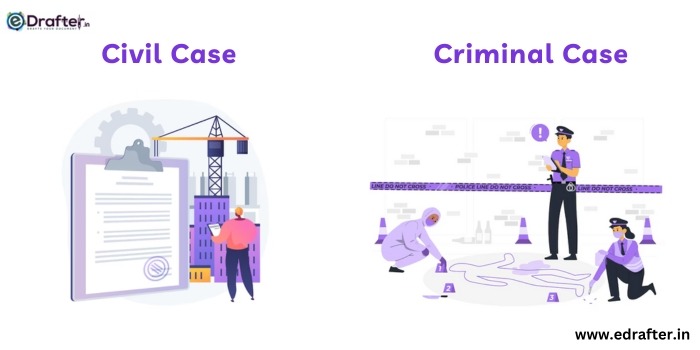
Legal notices are primarily used in civil disputes. These include matters related to unpaid dues, loan recovery, landlord-tenant conflicts, employment disputes, contractual obligations, and consumer issues.
However, legal notices are not meant for serious criminal offences such as murder, theft, or assault. Such matters fall under criminal law and are handled directly by law enforcement and criminal courts. If the issue involves legal rights, obligations, or monetary claims, sending a legal notice is usually appropriate.
What are the Benefits of Legal Notice?
One of the biggest advantages of a legal notice is that it creates immediate seriousness. Receiving a formal notice often prompts the other party to respond, negotiate, or resolve the issue quickly.
Another benefit is clarity. When an advocate drafts the notice, all facts are presented clearly and legally, leaving no room for confusion. A legal notice is also cost-effective compared to filing a case in court and can save significant time and legal expenses. Most importantly, a legal notice becomes documentary evidence. If the dispute escalates, the notice can be relied upon in court to show that proper legal steps were taken.
Also Read – How to Reply a Legal Notice?
What Should Be Included in the Legal Notice Format?
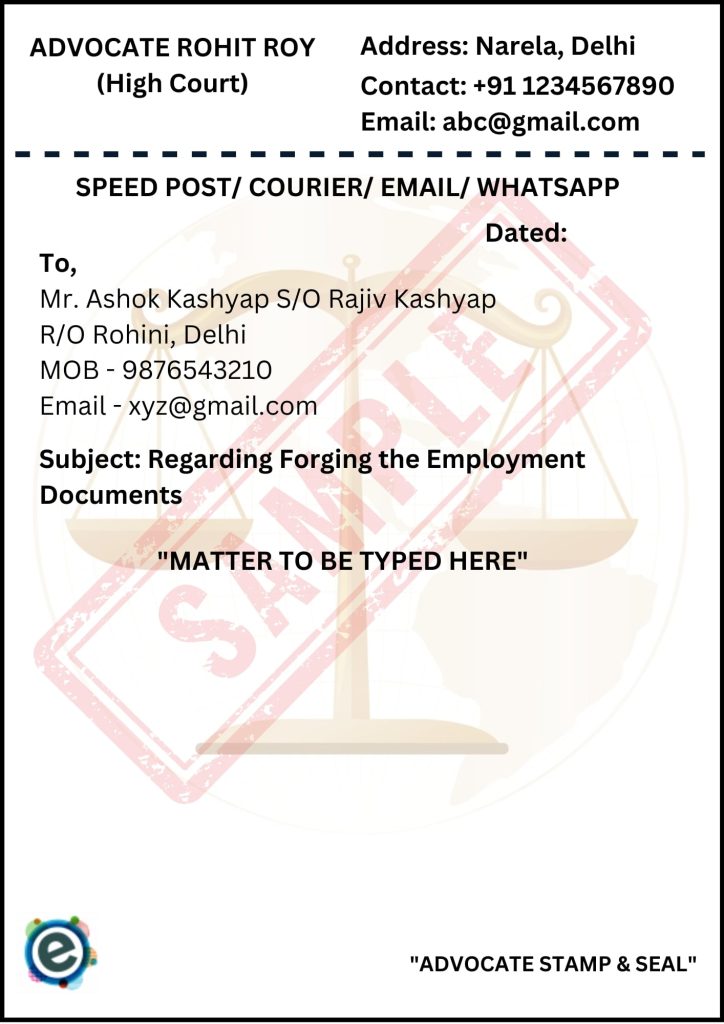
A proper legal notice format typically includes the details of the advocate issuing the notice, the sender’s information, and the recipient’s details. It clearly mentions the date of issuance and a subject line describing the dispute.
The notice then lays out the facts of the case, the legal grounds supporting the claim, and the specific relief or action demanded. A reasonable time limit is provided for compliance, along with a warning that legal action may follow if the notice is ignored.
How to Draft a Legal Notice?
Drafting a legal notice requires legal knowledge and careful wording. With eDrafter, the process is straightforward and fully online.
- You begin by visiting edrafter.in and selecting the legal notice service under legal services from the main menu.
- Next, Share some basic details of your issue then you will be connected with an experienced advocate who will draft legal notice for you.
- Once the draft is ready, you can review it and suggest changes if needed.
- After final approval, the notice is sent to the opposite party through legally accepted modes.
How Much Does It Cost to Send a Legal Notice?
The cost of sending a legal notice depends on the nature and complexity of the dispute and the advocate involved. Offline legal notices often involve higher costs due to consultations and paperwork. Online legal notice services usually offer more affordable and transparent pricing, making legal assistance accessible to more people.
Can I Send a Legal Notice Without an Advocate?
While it is legally possible for an individual to send a notice themselves, it is not advisable. Legal notices require precise language, correct legal references, and proper structuring. A poorly drafted notice can weaken your position or even harm your case later.
A legal notice by an advocate carries greater credibility and ensures that your rights are protected from the very beginning.
Also Read – Know Which Types Of Legal Notice Suits for your legal matters.
What are the Differences Between Legal Notice and Court Notice?
A legal notice is sent before any case is filed and aims to resolve the dispute outside court. A court notice, on the other hand, is issued by the court after legal proceedings have already started. In simple terms, a legal notice is a preventive step, while a court notice indicates ongoing litigation.
Through Which Mediums Can We Send Legal Notice?
Legal notices can be sent through registered post, courier services, email, and even WhatsApp. Courts have recognised electronic modes of communication, especially when delivery and read receipts are available. To avoid disputes over service, notices are often sent through more than one mode.
Why Choose eDrafter for Legal Notice?
eDrafter simplifies the entire legal notice process. From connecting you with an advocate to drafting and sending the notice, everything is handled online. You receive professional drafting, the option to review before sending, proof of dispatch, and affordable pricing. It makes legal processes accessible without unnecessary complications.
Conclusion
A legal notice is a powerful legal tool that helps resolve disputes efficiently and responsibly. It saves time, reduces costs, and often prevents unnecessary litigation. When drafted properly, it protects your rights and strengthens your legal position. With platforms like edrafter.in, sending a legal notice has become simple, reliable, and accessible for everyone.
FAQ (Frequently Asked Questions)
Can I send a legal notice on WhatsApp and will it be considered legal?
Yes, courts have accepted WhatsApp as a valid mode of communication, especially when delivery and read receipts are available. However, using multiple modes is recommended.
What if someone doesn’t reply to a legal notice?
If the recipient does not respond, you are free to initiate legal proceedings. Non-response may strengthen your case.
How many times can a legal notice be sent?
Generally, one notice is sufficient. Additional notices may be sent if circumstances change or replies require further response.
What does Section 80 CPC of 1908 depict?
Section 80 CPC mandates sending a legal notice before filing a suit against the government or public officers. A two-month notice period must be given.

Suhani Sugandha – Legal Intern & Content Writer
Suhani is a legal content writer and researcher studying at the National University of Study and Research in Law, Ranchi. Specializing in simplifying complex legal concepts, Suhani creates clear, engaging, and well-researched content, including legal blogs, case analyses, research articles, and policy reviews. Passionate about making legal information accessible to all, Suhani bridges the gap between law and the public through informative and insightful writing. With a keen eye for detail and a strong legal foundation, She ensures accuracy and clarity in every piece, helping individuals and businesses navigate legal matters with confidence.